


phspin | The Dynamics of Strategy Games and the Potential of 'phspin'
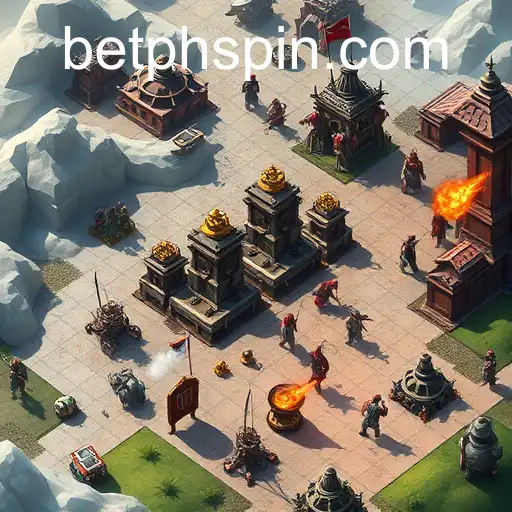
Strategy games have long captivated the minds of gamers worldwide, offering a unique blend of intellectual challenge, resource management, and tactical combat. One of the most intriguing aspects of this genre is the depth and variety it offers, appealing to both casual gamers and hardcore strategists alike. Whether you are planning the layout of a medieval city, leading an army into a historical battle, or building a futuristic empire, strategy games provide an immersive experience that stimulates critical thinking and forward planning.
The inclusion of the keyword 'phspin' in a strategy game on a website hints at a specific element or feature unique to that game. It could represent a spinning element of chance or randomness, adding a layer of unpredictability that challenges players to adapt their strategies on the fly. This concept may allow players to execute unforeseen maneuvers or tactics that could dramatically alter the course of the game. The introduction of 'phspin' might also pertain to a game mechanic that evolves over time or with each playthrough, offering new dynamics and endless possibilities, ensuring that each gaming session feels fresh and engaging.
Strategy games have evolved significantly over the years. From their humble beginnings as simple board games to the complex digital experiences available today, the core appeal remains: outthinking your opponents and mastering the game’s intricate systems. With advancements in technology, these games have transcended traditional platforms, integrating with online features that enable multiplayer interactions and global competition. They have also expanded to include sub-genres like real-time strategy (RTS), turn-based strategy (TBS), and tactical role-playing games (TRPG), each offering distinct gameplay dynamics and challenges.
In addition to providing entertainment, strategy games often hone important skills such as problem-solving, decision-making, and strategic planning. They have been utilized in various educational and professional settings as tools to develop critical thinking abilities and teamwork. As players navigate complex scenarios, they learn to anticipate possible outcomes, weigh the costs and benefits of their decisions, and creatively solve problems.
The future of strategy games looks promising, with innovations in artificial intelligence, virtual reality, and procedural generation enhancing the genre’s potential. As developers continue to push boundaries, incorporating features like 'phspin' suggests that the future will bring even greater diversity and richness to the strategy game experience. Whether it’s through introducing novel game mechanics or leveraging emerging technologies, strategy games will undoubtedly continue to thrive and inspire players of all ages.
